Author: Nana

  • Cake Frosting Techniques for Beginners

    Cake Frosting Techniques for Beginners

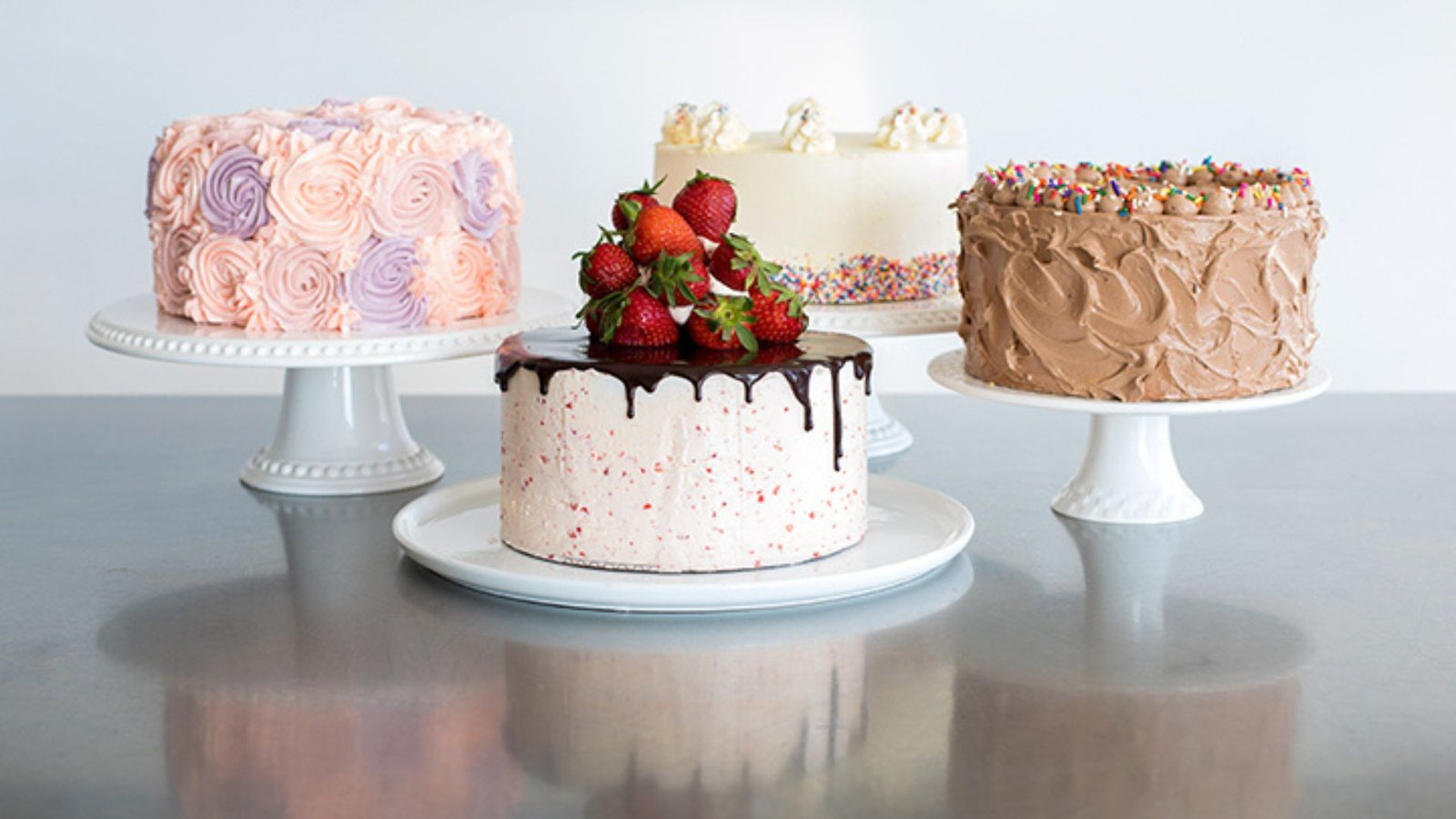
    Frosting a cake is one of the most enjoyable (and challenging) aspects of cake decorating. Whether you’re a novice baker or just getting started with cake decoration, mastering frosting techniques is the key to creating cakes that look as good as they taste. In this article, we’ll walk you through essential cake frosting techniques for beginners, from basic frosting methods to simple decorating tricks that will help you create stunning cakes every time.

    Cake Frosting Techniques for Beginners
    Cake Frosting Techniques for Beginners

    Why Learn Cake Frosting Techniques?

    Frosting can make or break a cake, both in terms of taste and appearance. Knowing how to apply and decorate your cake with frosting is important for several reasons:

    • Enhances Flavor and Texture: The right frosting can complement the cake’s flavor and create a delicious contrast in texture.
    • Visual Appeal: A beautifully frosted cake looks impressive, and frosting is a key element in making your cake stand out.
    • Versatility: Mastering frosting gives you the freedom to experiment with different cake designs, whether it’s for a birthday, wedding, or holiday celebration.

    By the end of this guide, you’ll have the basic skills to confidently frost your cakes and add creative decorations to elevate their appearance.

    Essential Tools for Cake Frosting

    Before we dive into the techniques, let’s take a look at the basic tools you’ll need to get started with frosting:

    1. Spatulas:
      • Offset Spatula: Ideal for spreading and smoothing frosting on the cake’s surface.
      • Straight Spatula: Great for creating sharp, clean edges or spreading frosting evenly.
    2. Piping Bags and Tips:
      • Piping bags are essential for more intricate designs, while tips can help you achieve specific effects, such as rosettes, borders, and swirls.
    3. Cake Turntable:
      • A rotating cake stand will make frosting much easier, allowing you to work around the cake as it spins smoothly.
    4. Bench Scraper:
      • Used for smoothing frosting and creating sharp edges, especially when you want to create a professional look.
    5. Cake Scrapers:
      • Helps in smoothing out the frosting and achieving the desired finish, whether smooth or textured.
    6. Cake Boards and Dowels:
      • To support the cake and keep it stable during frosting and decoration.

    Step 1: Preparing Your Cake for Frosting

    Before you even start thinking about frosting, it’s important to prepare the cake properly.

    Cooling the Cake

    Allow the cake to cool completely before frosting it. If you try to frost a warm cake, the frosting will melt and slide off, leading to a messy result.

    • Tip: After baking, let the cakes cool in their pans for 10-15 minutes. Then, remove them and transfer them to a wire rack to cool completely.

    Leveling the Cake

    For even frosting, it’s crucial to level your cakes so that the surface is flat. Use a serrated knife or a cake leveler to trim off any domed tops.

    • Tip: If you have multiple cake layers, you can split each layer in half horizontally to make a taller cake with more frosting layers.

    Step 2: Choosing the Right Frosting

    Different types of frosting are used for different effects and flavors. Here are a few of the most common frosting types for beginners:

    Buttercream Frosting

    Buttercream is the go-to frosting for most beginners because it’s easy to make, easy to work with, and incredibly versatile.

    • Ingredients: Butter, powdered sugar, milk or cream, and vanilla extract.
    • Texture: Smooth, creamy, and can be piped or spread easily.
    • Uses: Great for smooth finishes, piping designs, and holding decorations.

    Whipped Cream Frosting

    Light and fluffy, whipped cream frosting is a great option for those who prefer a less sweet frosting.

    • Ingredients: Heavy cream, sugar, and vanilla extract.
    • Texture: Light and airy, ideal for frosting cakes that need a less dense finish.
    • Uses: Best for lighter cakes like angel food or sponge cakes.

    Cream Cheese Frosting

    Cream cheese frosting adds a tangy twist to your cakes, often used for carrot cakes, red velvet, and other spiced cakes.

    • Ingredients: Cream cheese, butter, powdered sugar, and vanilla extract.
    • Texture: Smooth but a little firmer than buttercream.
    • Uses: Perfect for cakes with a denser texture.

    Fondant

    Fondant is a smooth, pliable icing that’s rolled out and draped over cakes. It’s commonly used for weddings and more formal occasions.

    • Ingredients: Sugar, gelatin, glycerin, and water.
    • Texture: Smooth and stretchy.
    • Uses: Used for a sleek, polished finish or intricate cake designs.

    Conclusion

    Mastering the basics of cake frosting techniques is a rewarding skill that allows you to transform your homemade cakes into beautiful, professional-looking desserts. Whether you’re frosting a simple birthday cake or creating an intricate wedding cake, the tips and techniques in this guide will help you get started. With practice, you’ll gain confidence in frosting, piping, and decorating, and soon you’ll be able to create cakes that not only taste amazing but also look stunning on any occasion. Happy baking!

  • Baking Classes for Holiday Treats

    Baking Classes for Holiday Treats

    The holiday season is the perfect time to fill your kitchen with the delightful aromas of freshly baked treats. From Christmas cookies to Thanksgiving pies, holiday baking is an age-old tradition that brings people together and spreads joy. Whether you’re looking to bake for your family, gift your creations to friends, or even start a holiday baking business, taking a baking class focused on holiday treats can help you master these seasonal favorites. In this article, we’ll explore the best baking classes for holiday treats, what you can learn, and how to make your festive bakes truly special.

    Baking Classes for Holiday Treats
    Baking Classes for Holiday Treats

    Why Take Baking Classes for Holiday Treats?

    Holiday baking isn’t just about making treats; it’s about creating memories. When you take a baking class focused on holiday treats, you’ll learn how to:

    • Create Perfect Seasonal Bakes: Master traditional holiday recipes like Christmas cookies, fruitcakes, and holiday breads.
    • Learn Expert Techniques: Perfect your cake decorating, pastry-making, and pie-crust skills for a professional touch.
    • Celebrate with Family and Friends: Impress your loved ones with homemade holiday sweets, whether it’s for a Christmas party, Thanksgiving dinner, or New Year’s celebration.
    • Customize Your Bakes: Learn how to personalize your treats with different flavors, fillings, and decorations for every occasion.

    Types of Baking Classes for Holiday Treats

    Holiday treats come in many forms—cookies, cakes, pies, and more. There are several types of baking classes designed to teach you how to create the perfect festive bakes. Here are some popular options:

    Holiday Cookie Decorating Classes

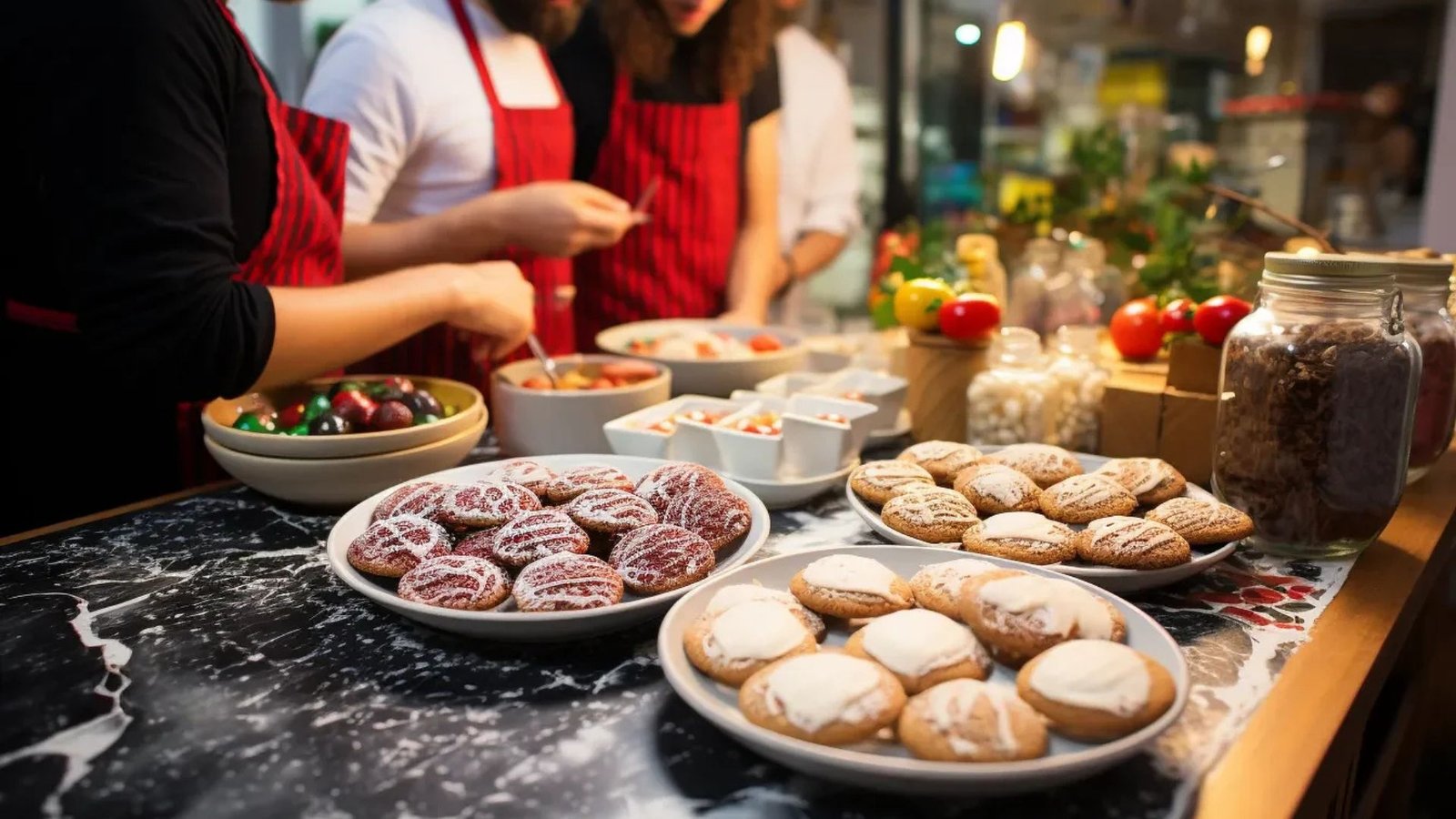
    Baking and decorating cookies is a beloved holiday tradition. Whether you’re making gingerbread men for Christmas or sugar cookies for a New Year’s celebration, these classes will teach you how to bake and decorate cookies that look as good as they taste.

    • What You’ll Learn:
      • Baking classic holiday cookies such as gingerbread, sugar cookies, snickerdoodles, and shortbread.
      • Mastering royal icing techniques for smooth, flawless cookie decoration.
      • How to use fondant, sprinkles, and edible glitter to create festive designs.
      • Seasonal cookie decorating for themes like Christmas, Hanukkah, and Halloween.
    • Sample Course Topics:
      • Gingerbread House Decorating: Learn how to build and decorate a gingerbread house from scratch, using royal icing and candy decorations.
      • Holiday Cookie Decorating: Create intricate designs with piping bags, stencils, and edible decorations.

    Christmas and Holiday Cakes

    Holiday cakes often take center stage at festive gatherings. Whether it’s a rich fruitcake, a show-stopping yule log, or a beautifully decorated layer cake, these classes teach you how to bake and decorate cakes that are perfect for holiday celebrations.

    • What You’ll Learn:
      • How to bake the perfect sponge, fruitcake, or chocolate cake.
      • Techniques for frosting and decorating holiday cakes with buttercream, fondant, and edible decorations.
      • Seasonal themes, such as winter wonderlands, Christmas trees, and festive wreaths.
      • Decorating with edible glitter, sugar flowers, and holiday-inspired elements.
    • Sample Course Topics:
      • Yule Log (Bûche de Noël): Learn how to make this traditional French Christmas dessert with a rich, rolled sponge cake, buttercream filling, and rustic decorations.
      • Holiday Layer Cakes: Create stunning layer cakes filled with seasonal flavors like eggnog, gingerbread, or cranberry.

    Holiday Pies and Tarts

    Pies are a holiday staple, especially during Thanksgiving and Christmas. Whether it’s a classic pumpkin pie, an apple pie with a flaky crust, or a tangy lemon tart, baking the perfect pie is a skill worth learning.

    • What You’ll Learn:
      • Perfecting pie crusts (both sweet and savory) for a flaky, golden finish.
      • Baking and decorating fruit pies, cream pies, and savory pies.
      • Mastering tarts with delicate fillings like lemon, chocolate, or seasonal fruits.
      • Seasonal variations like cranberry pie, pecan pie, and spiced apple pie.
    • Sample Course Topics:
      • Thanksgiving Pies: Focus on classics like pumpkin, apple, and pecan pies, with techniques for creating the perfect crust and filling.
      • Fruit Tarts: Learn to bake a delicious, buttery tart shell and fill it with seasonal fruit or creamy custard.

    Holiday Breads and Pastries

    Breads and pastries add a special touch to any holiday breakfast or dessert spread. From cinnamon rolls to festive stollen, these classes teach you how to bake traditional holiday breads and pastries.

    • What You’ll Learn:
      • Kneading and proofing dough for soft, fluffy breads.
      • Creating decorative loaves like stollen, challah, or panettone.
      • Techniques for making savory holiday breads like herb-infused rolls.
      • How to make flaky pastries, including croissants, Danish pastries, and cinnamon rolls.
    • Sample Course Topics:
      • Holiday Cinnamon Rolls: Learn how to make fluffy, buttery cinnamon rolls with a sweet glaze, perfect for Christmas morning.
      • Baking with Yeast: Focus on yeasted holiday breads like stollen or challah, and learn techniques for working with dough.

    Conclusion

    Baking holiday treats is a delightful way to celebrate the season, and taking a class focused on these festive goodies can help you perfect your skills. Whether you’re looking to bake cookies for a Christmas party, create a stunning holiday cake, or whip up a batch of homemade pies for Thanksgiving, baking classes offer the skills and inspiration you need to make your holiday treats truly special. With the right techniques and a little creativity, you can make delicious, beautiful desserts that will be the highlight of every holiday gathering.

  • Baking Courses for Seasonal Desserts

    Baking Courses for Seasonal Desserts

    Baking is an art, and seasonal desserts are its masterpiece. From pumpkin pies in the fall to fresh fruit tarts in the summer, each season brings a bounty of flavors that make the world of desserts even more exciting. Whether you’re a beginner or a seasoned baker, learning how to craft seasonal desserts can elevate your baking skills and make every holiday or occasion a little sweeter. In this guide, we’ll explore the best baking courses for seasonal desserts, the skills you can learn, and how to master the art of festive baking.

    Baking Courses for Seasonal Desserts
    Baking Courses for Seasonal Desserts

    Why Take Baking Courses for Seasonal Desserts?

    Seasonal desserts are not only delicious but also a fun way to celebrate the changing seasons and holidays. By taking a baking course focused on these desserts, you’ll gain:

    • Fresh Ideas for Every Season: Seasonal ingredients like berries, pumpkins, apples, and citrus fruits are abundant at different times of the year, and mastering how to use them in your baking will keep your treats relevant and exciting.
    • Baking Skills Tailored to the Time of Year: Each season brings unique baking challenges, whether it’s crafting the perfect summer tart or making sure your winter cookies are perfectly spiced.
    • Festive Decor Techniques: Learn how to decorate and present seasonal treats with flair, whether it’s a Thanksgiving pie or a Christmas log cake.
    • Celebrate with Family and Friends: Creating delicious seasonal desserts allows you to share the joy and flavor of every season with loved ones, making holidays and special occasions even more memorable.

    Types of Baking Courses for Seasonal Desserts

    Baking courses for seasonal desserts focus on using ingredients that are at their peak throughout the year. These courses can range from one-day workshops to multi-week programs and often highlight desserts that are typically made for holidays or particular times of the year.

    Autumn-Inspired Desserts

    Autumn is the season for warm, comforting desserts that incorporate fall flavors like pumpkin, cinnamon, apples, and spices. Courses focused on autumn desserts teach how to create treats that are perfect for cozy evenings or holiday gatherings like Halloween and Thanksgiving.

    • What You’ll Learn:
      • Pumpkin pies, tarts, and cheesecakes.
      • Apple crisps, caramel apple cakes, and spiced breads.
      • Pecan pies and other nut-based desserts.
      • Seasonal decorating techniques using autumn leaves, cinnamon sticks, and other natural elements.
    • Sample Course Topics:
      • Pie-Making 101: Mastering the art of flaky crusts and filling pies with seasonal fruits.
      • Autumn Cakes & Breads: Learn to bake apple cinnamon breads, ginger-spiced cakes, and other fall favorites.

    Winter Holiday Desserts

    Winter baking is synonymous with festive treats. From gingerbread cookies to rich chocolate cakes, winter desserts are often associated with holiday cheer and cozy gatherings. Specialized courses in winter desserts will teach you how to create indulgent desserts for Christmas, New Year’s, and other winter holidays.

    • What You’ll Learn:
      • How to make classic holiday cookies like gingerbread, snickerdoodles, and sugar cookies.
      • Baking Yule logs, stollen, and other traditional Christmas cakes.
      • Crafting show-stopping desserts like chocolate truffles, peppermint mousse, or a Christmas fruitcake.
      • Decorating with royal icing and edible glitter for festive flair.
    • Sample Course Topics:
      • Holiday Cookie Decorating: Techniques for decorating cookies with royal icing, fondant, and sprinkles.
      • Winter Cakes & Pies: Learn how to create layered cakes, fruit-filled pies, and elegant desserts perfect for holiday feasts.

    Spring-Inspired Desserts

    Spring brings a burst of fresh flavors like strawberries, rhubarb, and citrus fruits. Spring desserts are often lighter and more delicate, with flavors that reflect the season’s renewal. A course focusing on spring-inspired desserts will teach you to use seasonal fruits and flowers in cakes, tarts, and other sweet treats.

    • What You’ll Learn:
      • Strawberry shortcakes, lemon meringue pies, and rhubarb crumbles.
      • How to make delicate tarts, such as lemon or berry-filled creations.
      • Floral-themed cakes decorated with edible flowers like violets, lavender, or pansies.
      • Making spring-themed pastries such as éclairs, puff pastry desserts, and fruit-filled danishes.
    • Sample Course Topics:
      • Spring Fruit Tarts: Master making tarts with seasonal berries, citrus, or even floral-infused custards.
      • Baking with Citrus: Learn to bake lemon, lime, and orange desserts, from cakes to curds and cookies.

    Conclusion

    Seasonal desserts offer a delightful way to embrace the flavors and festivities of each time of year. By enrolling in a specialized baking course for seasonal desserts, you can learn how to master the art of creating delicious treats that celebrate the best ingredients of the season. Whether you’re looking to perfect your pumpkin pie for fall, craft elegant tarts for spring, or bake light and refreshing fruit desserts for summer, there’s a course designed to help you refine your skills and bring joy to every occasion. Choose the course that suits your tastes and start baking your way through the seasons!

  • The Cost of Enrolling in Baking Classes

    The Cost of Enrolling in Baking Classes

    Baking classes are a fantastic way to enhance your skills, whether you’re a beginner or a seasoned baker looking to perfect your craft. However, one important consideration when enrolling in a baking course is the cost. Baking classes vary widely in price, depending on various factors such as the course type, location, and the expertise of the instructor. In this article, we’ll break down the costs associated with enrolling in baking classes and offer tips for finding the best value for your budget.

    The Cost of Enrolling in Baking Classes
    The Cost of Enrolling in Baking Classes

    Factors That Influence the Cost of Baking Classes

    Before diving into specific price ranges, it’s important to understand the factors that impact the cost of baking classes. These include:

    Type of Course

    The type of baking class you choose can significantly affect the price. There are many different options available, including:

    • Basic Baking Classes: These are often introductory courses, focusing on foundational skills like cake making, pastry basics, or simple bread baking.
    • Specialized Classes: More advanced courses, such as cake decorating, vegan baking, or gluten-free baking, tend to cost more due to the expertise required.
    • Private or Group Classes: One-on-one lessons are typically more expensive than group classes, as they offer personalized instruction.
    • Short-Term vs. Long-Term Programs: Short workshops that last a few hours or a day are generally cheaper than multi-week or semester-long baking programs.

    Instructor Expertise and Reputation

    Well-known instructors or celebrity chefs can command higher fees for their classes. For example, a class taught by a renowned pastry chef at a prestigious culinary school will likely cost more than one offered by a local bakery or community center. You may also pay a premium for instructors with specialized knowledge, such as cake decoration, vegan baking, or chocolate artistry.

    Location of the Class

    The location where the class is held plays a significant role in its price. Classes in major metropolitan areas like New York City or Los Angeles tend to be more expensive due to the higher cost of living and demand for such courses. On the other hand, classes in smaller towns or rural areas may offer more affordable options.

    Course Length and Depth

    • Short Classes or Workshops: If you’re just looking to learn a specific skill (e.g., how to decorate cupcakes or bake sourdough bread), a 2-3 hour class may cost anywhere from $50 to $150.
    • Extended Programs: Longer courses, such as those that span several weeks and cover a wider range of topics, will typically have higher fees. These can range from $200 to $1,000 or more, depending on the course’s complexity.

    Average Cost of Baking Classes

    To give you a better idea of what to expect, here’s a breakdown of the typical cost ranges for different types of baking classes:

    Basic Beginner Baking Classes

    These classes are designed for those just starting out and usually cover foundational techniques like baking cakes, cookies, and breads.

    • Cost Range: $30 – $150 per class
    • Duration: 1 to 3 hours
    • What You Learn: Basic techniques, mixing, baking, and decorating.

    Specialized Baking Classes (e.g., Cake Decorating, Gluten-Free Baking)

    Specialized courses focus on advanced techniques and specific baking types, such as cake decorating, artisan bread, or allergen-free baking.

    • Cost Range: $100 – $500 per class
    • Duration: 2 hours to a full day
    • What You Learn: Advanced skills like fondant work, piping, or crafting gluten-free desserts.

    Private or One-on-One Baking Classes

    Private lessons are the most personalized and can be tailored to your specific interests, skills, and goals.

    • Cost Range: $50 – $150 per hour
    • Duration: Varies (usually 2-3 hours)
    • What You Learn: Customized lessons in any area of baking, from bread to advanced cake design.

    Conclusion

    The cost of enrolling in baking classes can vary greatly depending on the type of course, the expertise of the instructor, and your location. While professional culinary programs can be expensive, there are plenty of affordable options available, including online courses, group classes, and local workshops. By considering the factors that influence the cost, you can find a course that fits your budget and helps you develop your baking skills. Whether you’re looking to start a new hobby, advance your skills, or pursue a professional career in baking, there’s a class for every need and budget.

  • Specialized Cake Decorating Classes

    Specialized Cake Decorating Classes

    Cake decorating is an art that combines creativity, precision, and skill. Whether you’re a beginner or an experienced baker, specialized cake decorating classes offer valuable lessons to elevate your cake-making abilities. These courses cover a variety of techniques, from basic frosting skills to advanced sugar art, allowing you to create cakes that are not only delicious but also visually striking. In this article, we’ll explore the best specialized cake decorating classes, the techniques you can learn, and how to choose the right class for your needs.

    Specialized Cake Decorating Classes
    Specialized Cake Decorating Classes

    Why Take Specialized Cake Decorating Classes?

    Cake decorating is much more than just applying frosting. It involves a wide range of skills that help turn an ordinary cake into a masterpiece. Here are a few reasons why you should consider enrolling in specialized cake decorating classes:

    • Learn Advanced Techniques: Master intricate techniques like sugar flowers, piping, and fondant work.
    • Increase Creativity: Gain inspiration and the confidence to design unique cakes for different occasions.
    • Expand Your Baking Skills: These courses often teach you not just decoration, but also tips for baking perfect cakes.
    • Enhance Career Opportunities: If you’re interested in a professional career in baking, these courses can improve your portfolio and skills.
    • Impress Friends and Family: Create visually stunning cakes for birthdays, weddings, or other celebrations.

    Types of Specialized Cake Decorating Classes

    The world of cake decorating is vast and diverse, with many different classes designed to teach specific techniques. Depending on your level of expertise and the style of cake you want to create, you can choose from a variety of courses.

    Fondant and Gumpaste Classes

    Fondant and gumpaste are two of the most popular materials used for decorating cakes. In these classes, you’ll learn how to roll, cut, and shape fondant and gumpaste to create flawless cake coverings and intricate decorations.

    • Key Skills Learned:
      • How to cover a cake with fondant for a smooth, professional finish.
      • Creating flowers, ribbons, and figurines out of gumpaste.
      • Working with fondant tools to add texture and detail.

    Piping Techniques Classes

    Piping is a timeless cake decorating skill that involves using a piping bag and different nozzles to apply frosting in decorative ways. Whether you’re piping flowers, borders, or lettering, these classes will teach you how to create professional piping designs.

    • Key Skills Learned:
      • Mastering basic piping techniques (e.g., rosettes, shells, and stars).
      • Creating realistic buttercream flowers like roses and peonies.
      • Writing and decorating with fondant or buttercream.

    Sugar Flowers and Edible Art Classes

    Sugar flowers are often used to make cakes look extraordinary. These classes focus on the art of making realistic, edible flowers and other decorations using sugar, gum paste, and edible paints.

    • Key Skills Learned:
      • Crafting flowers like roses, orchids, and lilies out of sugar.
      • Painting edible designs on cakes using edible pigments.
      • Creating lifelike sugar flowers that can be used on cakes for weddings or other special events.

    Airbrush Cake Decorating Classes

    Airbrushing adds a professional touch to cakes by using an airbrush gun to apply food-safe colorings onto the surface of cakes. Airbrush techniques are especially useful for creating gradients, texture, and even edible designs.

    • Key Skills Learned:
      • How to use an airbrush gun for decorating cakes.
      • Techniques for creating smooth, gradient color effects.
      • Using stencils for more intricate designs.

    Wedding and Special Occasion Cake Decorating Classes

    Wedding cakes and cakes for other special events require particular attention to detail and design. These classes focus on learning how to design cakes that are both beautiful and fitting for major occasions.

    • Key Skills Learned:
      • Designing multi-tier cakes with smooth finishes and precise details.
      • Creating elegant cake decorations, such as lace, pearls, and sugar flowers.
      • Assembling and stabilizing tall tiered cakes.

    Conclusion

    Specialized cake decorating classes offer a fantastic way to take your cake-making skills to the next level. Whether you want to learn the basics of piping or dive into advanced sugar flowers and edible art, there’s a class for everyone. By choosing a course that matches your interests and skill level, you’ll be well on your way to creating stunning, personalized cakes that wow your friends, family, or clients. So, whether you’re a hobbyist looking for fun, or a professional baker refining your craft, cake decorating classes provide the tools and inspiration to turn your cake creations into true works of art.

  • Baking Courses for Vegan and Gluten-Free Recipes

    Baking Courses for Vegan and Gluten-Free Recipes

    Baking without gluten or animal-based ingredients doesn’t have to be difficult. With the growing demand for vegan and gluten-free foods, many expert bakers have developed specialized courses that make it easy to create delicious treats for those with dietary restrictions. This article will guide you through the best baking courses for vegan and gluten-free recipes, what to expect from each course, and how they can help you master the art of alternative baking.

    Baking Courses for Vegan and Gluten-Free Recipes
    Baking Courses for Vegan and Gluten-Free Recipes

    Why Choose Vegan and Gluten-Free Baking Courses?

    Baking is often seen as an art, and like any form of art, it can be learned and perfected with the right guidance. Vegan and gluten-free baking courses are specifically designed to help you learn how to make baked goods without the use of common ingredients like eggs, dairy, or wheat. These courses are ideal for people with food allergies, those following specific dietary lifestyles, or anyone looking to reduce their environmental footprint.

    Here are some reasons why you might want to consider enrolling in a vegan and gluten-free baking course:

    • Health Benefits: Vegan and gluten-free diets can offer numerous health benefits, from improving digestion to reducing inflammation.
    • Allergy-Friendly: These courses teach you how to bake for people with specific food allergies or sensitivities.
    • Creative Flexibility: Learn to use alternative ingredients like almond flour, coconut oil, and flaxseed to create innovative and delicious baked goods.

    Types of Vegan and Gluten-Free Baking Courses

    The beauty of modern baking courses is their variety. Whether you’re a beginner or an experienced baker, there’s a course for every skill level. Here’s an overview of the different types of vegan and gluten-free baking courses you can explore:

    Beginner Courses

    For those who are new to vegan or gluten-free baking, beginner courses are a great starting point. These classes usually focus on the fundamentals, including:

    • Introduction to gluten-free flours like rice flour, almond flour, and oat flour.
    • Replacing eggs and dairy with plant-based alternatives.
    • Simple vegan and gluten-free recipes such as cookies, muffins, and brownies.

    Intermediate Courses

    Once you’ve mastered the basics, you can move on to intermediate-level courses. These courses delve deeper into:

    • Creating more complex baked goods like cakes, pastries, and bread.
    • Understanding ingredient combinations to improve texture and flavor.
    • Learning to make dairy-free butter, vegan meringue, or gluten-free dough.

    Advanced Courses

    For seasoned bakers who want to perfect their craft, advanced courses provide in-depth training on:

    • Professional techniques for gluten-free and vegan cakes (e.g., layer cakes, wedding cakes).
    • Customizing recipes for texture, flavor, and appearance.
    • Creating allergen-free gourmet treats that rival traditional baked goods.

    Popular Vegan and Gluten-Free Recipes to Try

    Once you’ve completed your course, you’ll be ready to try out some fun and creative recipes. Here are a few ideas to get you started:

    • Vegan Gluten-Free Banana Bread: Moist and flavorful, using oat and almond flour.
    • Vegan Chocolate Chip Cookies: A classic with egg and dairy replacements like flax eggs and coconut oil.
    • Gluten-Free Vegan Cupcakes: Perfect for celebrations, made with gluten-free flour blends and topped with dairy-free frosting.
    • Vegan Gluten-Free Pizza Crust: Using rice flour and flaxmeal for a crispy base that’s ideal for your favorite toppings.

    Conclusion

    Vegan and gluten-free baking is an exciting way to create delicious treats that cater to different dietary needs. Whether you’re just getting started or looking to refine your skills, there are many baking courses available to help you succeed. From learning the basics of flour substitutions to mastering complex recipes, these courses can guide you every step of the way. Start with a beginner course, explore new techniques, and soon you’ll be baking up scrumptious, inclusive treats that everyone can enjoy.

  • How to Make the Most of a Baking Workshop

    How to Make the Most of a Baking Workshop

    Attending a baking workshop is an exciting way to improve your skills, learn new techniques, and connect with fellow baking enthusiasts. Whether you’re a beginner or an experienced baker, workshops provide a hands-on opportunity to learn from experts and get direct feedback. However, to get the most out of your baking workshop experience, it’s important to come prepared and engage fully during the session. In this article, we’ll share tips on how to maximize your learning, from preparation before the workshop to post-workshop follow-up.

    How to Make the Most of a Baking Workshop
    How to Make the Most of a Baking Workshop

    Prepare in Advance

    Research the Workshop Details

    Before you attend the workshop, take the time to learn about the session’s focus. Understand what will be covered, such as specific baking techniques or types of baked goods. If the workshop provides a materials list, make sure you have everything ready. If it’s a virtual workshop, check that you have the necessary software, internet connection, and equipment.

    Set Clear Goals

    Think about what you want to achieve from the workshop. Are you hoping to improve your cake decorating skills? Do you want to learn the secrets of perfecting sourdough bread? Setting clear goals will help you stay focused and get the most out of the experience. Write down specific things you hope to learn or techniques you’d like to master.

    Bring Your Own Supplies (If Applicable)

    Some workshops may ask participants to bring their own tools or ingredients. For example, you might need to bring your own mixing bowls, spatulas, or measuring cups. Confirm in advance what supplies are needed, and be sure to pack them to avoid any last-minute confusion.

    Wear Comfortable Clothing

    Baking can get messy, so it’s a good idea to wear comfortable clothing and shoes that you don’t mind getting flour or batter on. Aprons are usually provided, but it’s still important to dress appropriately for a hands-on workshop.

    Engage Actively During the Workshop

    Ask Questions

    Don’t hesitate to ask questions during the workshop, especially if you’re unsure about a technique or need further clarification. Workshop instructors are there to help you, and asking questions not only helps you learn, but it can also clarify points for other participants who might have similar questions. If you’re unsure about a recipe or step, raise your hand and seek guidance.

    Take Notes

    Bring a notebook or use your phone to take notes during the session. Jot down important tips, tricks, and recipes. While the instructor may provide a recipe handout, writing things down will help reinforce your learning and ensure you don’t forget any important steps or techniques.

    Pay Attention to the Details

    In baking, small details matter—whether it’s the temperature of your dough, the folding technique, or the timing of your baking. Be attentive to the instructor’s demonstrations, and observe the nuances of their movements. Watch how they handle ingredients, prepare pans, and test the doneness of baked goods.

    Be Hands-On

    Take full advantage of the opportunity to work with your hands. Participate actively in the process rather than just watching others. If you’re unsure about a specific technique, practice it as much as possible to build your confidence. The more you engage, the better you’ll understand the process and improve your skills.

    Take Photos (If Allowed)

    If the workshop allows photography, take pictures of the process. Whether it’s of the finished product, key steps in the recipe, or helpful tips on technique, photos can serve as valuable reminders when you try to recreate what you learned at home.

    Network and Build Connections

    Interact with Fellow Participants

    Workshops often bring together a community of people with similar interests. Use the opportunity to network with fellow bakers. Ask about their experiences, share tips, and bond over your love for baking. You may also exchange contact information to stay in touch after the workshop.

    Learn from Others

    While the instructor is the main source of knowledge, you can also learn a lot from other participants. Listen to their questions, watch how they tackle tasks, and share advice with one another. Networking in this way can provide a more comprehensive learning experience.

    Connect with the Instructor

    If possible, take the opportunity to interact with the instructor. Ask for feedback on your techniques or for suggestions on how to improve your skills at home. Many instructors are open to one-on-one conversations after the session or can point you toward additional resources to further your learning.

    Make the Most of Your Time After the Workshop

    Review Your Notes

    Soon after the workshop, review the notes you took. Organize them and clarify anything that may still be unclear. Go over the recipe and write down any extra tips the instructor may have shared that weren’t part of the printed materials. This will reinforce your learning and help you retain the information.

    Conclusion

    Making the most of a baking workshop requires more than just attending—it’s about being prepared, engaging actively, and continuing your learning after the session ends. Whether you’re looking to improve your skills, learn new techniques, or meet other baking enthusiasts, workshops provide a unique opportunity to grow as a baker. By following these tips and staying committed to practicing and refining your craft, you can maximize the benefits of any baking workshop and take your baking skills to the next level.

  • Baking Courses for Entrepreneurs Starting a Bakery

    Baking Courses for Entrepreneurs Starting a Bakery

    Starting a bakery can be an exciting and rewarding entrepreneurial venture. Whether you’re passionate about creating cakes, breads, pastries, or other baked goods, turning that passion into a business requires more than just good baking skills. It requires a solid understanding of business operations, marketing, and customer service. Thankfully, there are baking courses tailored specifically for entrepreneurs looking to launch their own bakery. These courses combine the art of baking with essential business knowledge, setting you up for success in the competitive bakery industry. In this guide, we will explore the different types of baking courses available for aspiring bakery owners, how these courses can help your business, and where to find them.

    Baking Courses for Entrepreneurs Starting a Bakery
    Baking Courses for Entrepreneurs Starting a Bakery

    Why Take a Baking Course as an Entrepreneur?

    Master the Art of Baking

    As a bakery owner, mastering your baking craft is essential. A specialized baking course will help you refine your baking skills, improve your techniques, and learn new recipes that will make your products stand out. Whether it’s perfecting artisan bread, mastering cake decoration, or creating unique pastries, a professional course provides expert knowledge that will elevate the quality of your offerings.

    Gain Business and Entrepreneurial Skills

    Baking courses for entrepreneurs often combine baking instruction with crucial business insights. You’ll learn how to manage inventory, cost your products, set pricing, and maintain quality standards. These courses also often cover customer service, branding, and marketing strategies, which are vital for attracting and retaining customers in your bakery.

    Learn How to Scale Your Business

    Running a bakery isn’t just about baking—it’s about building a business. Many baking courses designed for entrepreneurs teach how to scale up your operations, from producing baked goods in small batches to managing large orders. You’ll also learn about supply chain management, kitchen equipment needs, and creating efficient workflows, all of which are key to scaling your bakery.

    Connect with Industry Professionals

    Baking courses offer networking opportunities with industry professionals, fellow aspiring bakery owners, and established chefs. These connections can be incredibly valuable as you navigate the challenges of opening and operating a bakery. Building a community of mentors and peers can provide ongoing support, feedback, and inspiration as you grow your business.

    Types of Baking Courses for Entrepreneurs

    Business-Focused Baking Courses

    Some courses are specifically designed for entrepreneurs who want to launch a bakery business. These courses combine practical baking techniques with business fundamentals, including the following key topics:

    • Business Planning: How to create a business plan, determine startup costs, and secure funding.
    • Marketing and Branding: How to build a brand identity, use social media for marketing, and attract customers.
    • Financial Management: How to budget, price your products, and manage cash flow.
    • Legal Considerations: How to navigate licenses, permits, and food safety regulations.

    Specialized Baking Courses

    In addition to business training, entrepreneurs can benefit from specialized baking courses that teach specific techniques or product lines. These courses can help you perfect the skills needed for the baked goods you plan to sell, including:

    • Artisan Bread Making: Focuses on sourdough, baguettes, and other handmade breads.
    • Cake Decorating and Design: Helps you learn intricate cake decorating techniques, such as fondant, piping, and airbrushing.
    • Pastry and Dessert Creation: Teaches advanced techniques for making pastries, tarts, éclairs, and other desserts that require fine detail and skill.

    Marketing and Social Media for Bakeries

    Building a loyal customer base is critical for your bakery’s success. Many courses focus on how to market a bakery, both online and offline. These courses teach entrepreneurs how to:

    • Create a Social Media Strategy: Use platforms like Instagram, Facebook, and Pinterest to showcase your baked goods and attract customers.
    • SEO for Bakeries: How to optimize your website so that customers can find you easily on Google.
    • Branding and Photography: How to take professional photos of your baked goods and create a visually appealing brand identity.

    Online Baking Business Courses

    For entrepreneurs with busy schedules or those starting from home, online baking business courses are a great option. These courses allow you to learn at your own pace and access materials from anywhere. Many online platforms, such as Udemy, Skillshare, and Coursera, offer courses on starting and running a bakery, covering topics from basic baking techniques to advanced business strategies.

    Conclusion

    Baking courses for entrepreneurs are an essential resource for anyone looking to start a successful bakery. These courses offer a combination of technical baking skills and business knowledge, ensuring that you can create high-quality baked goods while effectively managing your bakery. Whether you’re looking for hands-on baking instruction, business advice, or marketing strategies, there’s a course that will fit your needs. By enrolling in the right course, you’ll gain the skills and confidence to turn your baking passion into a thriving bakery business.

  • Baking Courses for Health-Conscious Individuals

    Baking Courses for Health-Conscious Individuals

    Baking isn’t just about indulging in sweet treats—it’s also about making choices that align with your health and dietary needs. Whether you follow a specific diet, like gluten-free, vegan, or low-sugar, or simply want to bake with healthier ingredients, there are many baking courses available to help you improve your skills while making more nutritious choices. Health-conscious baking is a growing trend, with many people looking to recreate their favourite desserts with wholesome alternatives. In this guide, we will explore the benefits of baking courses for health-conscious individuals, the different types of courses available, and how to choose the best course for your needs.

    Baking Courses for Health-Conscious Individuals
    Baking Courses for Health-Conscious Individuals

    Why Choose Health-Conscious Baking?

    Healthier Ingredients, Same Great Taste

    Health-conscious baking focuses on using better-for-you ingredients that can help reduce sugar, calories, or gluten in your baked goods. You’ll learn how to substitute ingredients like almond flour for white flour, coconut sugar for refined sugar, or plant-based oils for butter. The goal is to create delicious treats that are better for your body without compromising on flavour.

    Catering to Specific Diets

    Health-conscious baking can be tailored to meet the needs of specific diets. Whether you follow a vegan, gluten-free, keto, or paleo lifestyle, there are baking courses that focus on teaching you how to make treats that fit these dietary preferences. These courses provide the tools to make your favourite baked goods, in a way that supports your health goals.

    Addressing Food Allergies and Sensitivities

    Many health-conscious baking courses focus on allergen-free baking, such as creating gluten-free, dairy-free, or nut-free baked goods. These courses can help you learn how to bake without triggering allergies while still enjoying the foods you love. It’s also a great way to learn how to bake for others with food sensitivities.

    Understanding Nutrition and Ingredient Substitutes

    A key part of health-conscious baking is understanding the nutritional value of different ingredients. These courses teach you how to make healthy ingredient swaps that will increase the nutritional content of your baked goods. You’ll learn about natural sweeteners, healthier fats, and high-protein ingredients, giving you a deeper understanding of how each component affects the overall health benefits of your treats.

    Types of Health-Conscious Baking Courses

    Gluten-Free Baking Courses

    Gluten-free baking courses are perfect for individuals with gluten intolerance or those following a gluten-free diet. These courses focus on creating baked goods that are completely free from gluten, using alternative flour like rice flour, almond flour, or coconut flour. You’ll also learn about the different binding agents used in gluten-free baking and how to achieve the perfect texture without gluten.

    Vegan Baking Courses

    Vegan baking courses cater to individuals who follow a plant-based diet. These courses teach you how to bake without eggs, dairy, or any other animal products. You’ll discover how to use plant-based ingredients like flaxseeds, chia seeds, or aquafaba (the liquid from chickpeas) as egg replacements. Learn how to make rich, decadent desserts like vegan brownies, cakes, cookies, and pies using natural sweeteners and plant-based alternatives.

    Low-Sugar and Sugar-Free Baking Courses

    For those who want to reduce their sugar intake without giving up their sweet treats, low-sugar or sugar-free baking courses are ideal. These courses focus on using natural sweeteners like stevia, monk fruit, or coconut sugar to replace refined sugar. You’ll also learn how to create low-sugar alternatives to your favorite baked goods, such as cakes, cookies, and muffins, that still satisfy your sweet tooth without the blood sugar spikes.

    Keto and Paleo Baking Courses

    For those following a ketogenic (keto) or paleo diet, specialized baking courses are available. Keto baking focuses on low-carb, high-fat recipes that are perfect for individuals following a keto lifestyle. In contrast, paleo baking uses whole, unprocessed ingredients, excluding grains, dairy, and refined sugars. Both courses teach you how to make treats that are aligned with these diets, such as keto cookies, paleo brownies, and more.

    High-Protein Baking Courses

    High-protein baking courses are ideal for those looking to increase their protein intake while still enjoying baked goods. These courses teach you how to incorporate protein-rich ingredients like whey protein powder, chickpea flour, or legumes into your baked goods. Learn to make protein-packed muffins, cookies, and bars that provide a healthy post-workout snack or a nutritious treat.

    Conclusion

    Health-conscious baking courses offer an exciting way to explore baking while making more nutritious choices. Whether you want to bake gluten-free, vegan, keto, or low-sugar treats, there is a course that can help you learn the techniques and ingredient substitutions necessary to create healthier desserts. With options available both in-person and online, you can easily find a course that fits your schedule and dietary preferences. So, why not take a health-conscious baking course and start making delicious, guilt-free baked goods today?

  • Short-Term Baking Courses for Hobbyists

    Short-Term Baking Courses for Hobbyists

    Baking is a creative and rewarding hobby that anyone can enjoy, whether you’re a complete beginner or looking to improve your skills. If you’re interested in learning new techniques, experimenting with recipes, or simply having fun in the kitchen, short-term baking courses for hobbyists are an excellent option. These courses allow you to learn essential baking skills in a short amount of time, often focusing on specific areas like cake decorating, bread making, or pastry crafting. In this guide, we’ll explore the benefits of short-term baking courses for hobbyists, what you can expect from these classes, and where you can find them.

    Short-Term Baking Courses for Hobbyists
    Short-Term Baking Courses for Hobbyists

    Why Take a Short-Term Baking Course?

    Learn New Skills Quickly

    Short-term baking courses are perfect for hobbyists who want to acquire new baking skills without a long-term commitment. Whether you want to master the art of making macarons or perfect your sourdough bread, these courses provide the skills you need in a condensed format, often lasting just a few days or weeks.

    Explore a Specific Baking Technique

    If you’re interested in learning a specific technique or type of baking, a short-term course can help you focus on that area. From cake decoration and sugar art to advanced pastry techniques, these courses allow you to explore your interests in detail.

    Fun and Social Experience

    Baking can be a fun, social activity, especially when taken in a group setting. Short-term courses often include group baking sessions, where you can meet other hobbyists and share your love for baking. It’s a great way to learn and make new friends while enjoying a fun and creative activity.

    Affordable Option

    Unlike full-time professional baking schools, short-term courses are typically more affordable, making them accessible to those who want to improve their baking skills without spending a lot of money. They often focus on specific aspects of baking, so you’re only paying for what you want to learn.

    Types of Short-Term Baking Courses for Hobbyists

    Cake Decorating Courses

    Cake decorating is a popular hobby for many, and short-term cake decorating courses are perfect for those who want to make beautiful cakes. In these courses, you’ll learn how to decorate cakes with fondant, buttercream, and royal icing. You may also cover techniques like piping flowers, writing on cakes, and creating intricate designs.

    Bread Making Courses

    For those who love the smell of freshly baked bread, bread making courses are a great option. These courses often focus on artisanal and sourdough bread, teaching you the art of kneading, fermenting, and baking the perfect loaf. Whether you’re a beginner or want to refine your technique, bread-making courses offer hands-on practice and essential tips.

    Pastry Making Courses

    Pastries, from croissants to tarts, are delicious and elegant treats to master. In short-term pastry making courses, you’ll learn the techniques behind creating flaky, buttery pastries. Courses often cover French pastry techniques, such as puff pastry, choux pastry, and tarts, allowing you to create beautiful, professional-quality pastries at home.

    Cookie and Cupcake Decorating

    For those with a sweet tooth, cookie and cupcake decorating classes are a fun way to explore your creative side. These courses teach you how to create custom designs using icing, fondant, and edible decorations. You’ll leave with a collection of beautifully decorated cookies or cupcakes and the skills to replicate them at home.

    Holiday Baking and Special Occasions

    Many short-term baking courses are centered around seasonal baking, such as creating Christmas cookies, Thanksgiving pies, or Easter-themed treats. These classes are perfect for hobbyists who want to bake festive treats for their friends and family. You’ll learn how to make classic holiday desserts, along with tips for decorating and presenting them.

    Where to Find Short-Term Baking Courses

    Local Community Centers and Culinary Schools

    Many local community centers and culinary schools offer short-term baking courses for hobbyists. These are often hands-on and conducted by experienced chefs or pastry professionals. Courses may focus on specific topics, like bread baking, cake decorating, or festive treats, and are often held over weekends or evenings to accommodate busy schedules.

    Conclusion

    Short-term baking courses are an ideal way for hobbyists to explore the art of baking and expand their culinary repertoire. Whether you’re interested in cake decorating, bread making, or festive baking, these courses offer the perfect balance of learning and fun in a short amount of time. From hands-on workshops at local schools to online classes that you can take at your own pace, there’s a course for everyone. So, why not enroll in a short-term baking course today and start creating delicious treats that you can be proud of?